
Sump failure
Separate equipment repair from water cleanup
A failed pump may be the reason for the flood, but the wet building materials need their own assessment.
- Restore drainageHave the pump, power supply, and discharge checked by the appropriate trade.
- Review the lossInspect flooring, stored contents, and wall bottoms after water removal.
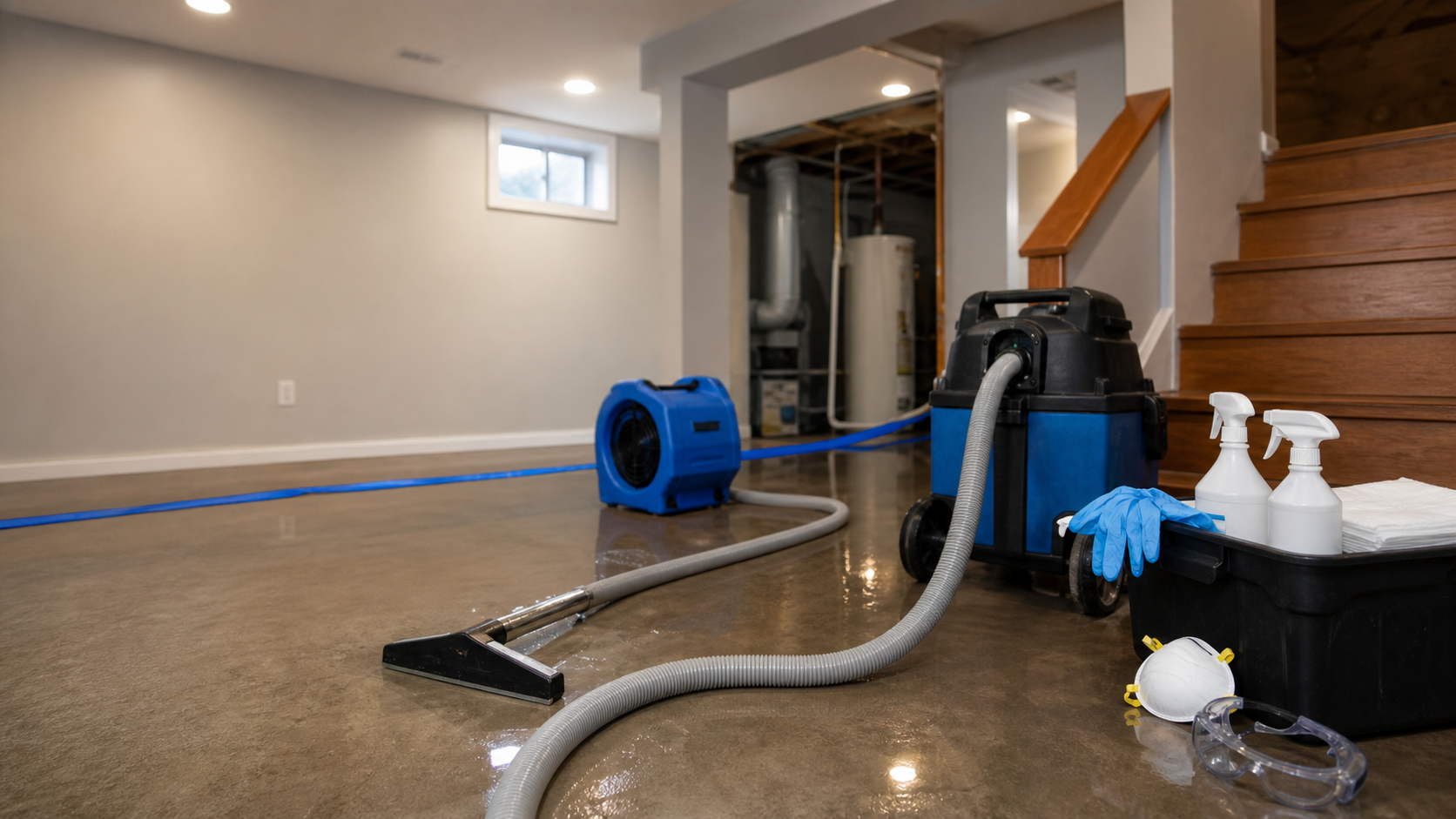
A sump pump can stop working during a storm, a power interruption, or a mechanical failure. Water in the pit or on the basement floor does not reveal the full cause. Avoid standing water near electrical equipment, and have the pump and discharge path checked before relying on the system again.
Separating the equipment problem from the water damage
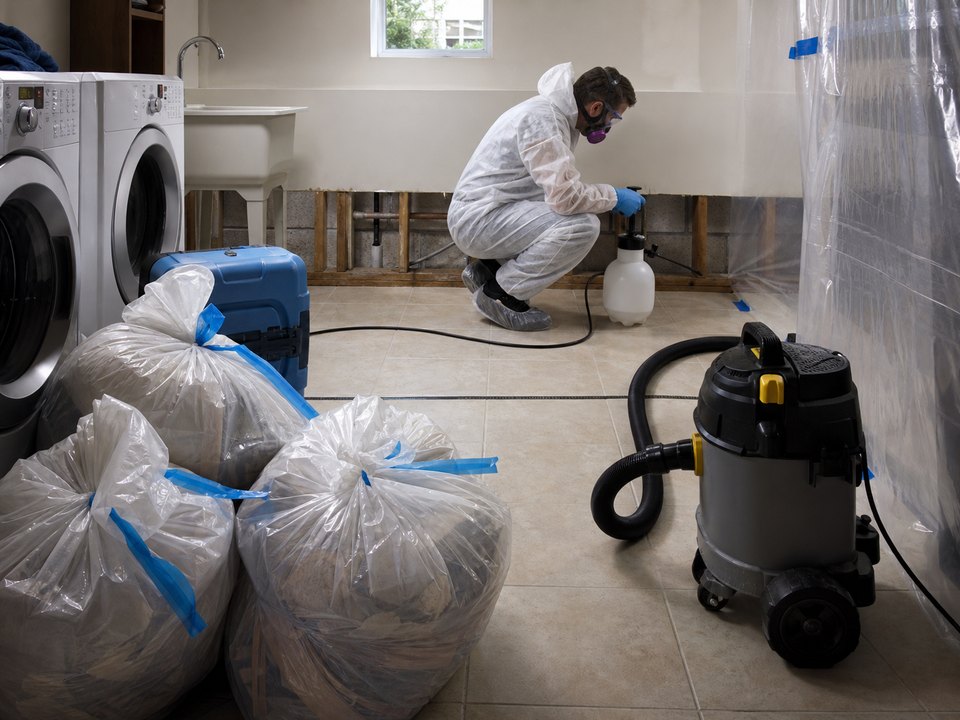
The pump, float switch, power supply, check valve, and discharge line may each need attention. At the same time, water that has spread across the floor can reach baseboards, stored contents, and finished walls. A cleanup plan depends on the water source and the materials affected, not just whether the pump starts running again.
Planning the next step
Ask a qualified professional to identify the failure and any needed repair or backup option. For the building, record where water reached and discuss basement water cleanup if finishes or belongings became wet. The cause matters for any insurance conversation; coverage varies by policy.