Drainage review
Find the cause before choosing a fix
Slow drains, repeat blockages, and sewage backup call for different responses. The source of the problem matters as much as the symptom.
- Check the conditionDistinguish a localized clog from a main-line issue or active backup.
- Choose the next stepInspection, cleaning, or contaminated-water cleanup may be appropriate.
Repeated clogs, a slow main drain, and a sewage backup may look related, but they do not call for the same first step. Tell us what fixtures are affected and whether wastewater is entering an occupied space. If sewage is present, avoid contact and keep others away from the area.
Find the cause of the drainage problem
A camera inspection may show a visible blockage or damaged section of pipe. Hydro jetting is one possible cleaning method, but pipe condition and access should be considered before selecting it. A licensed plumber may need to repair a broken line or resolve a source issue that cleaning cannot fix.
When sewage has entered the property
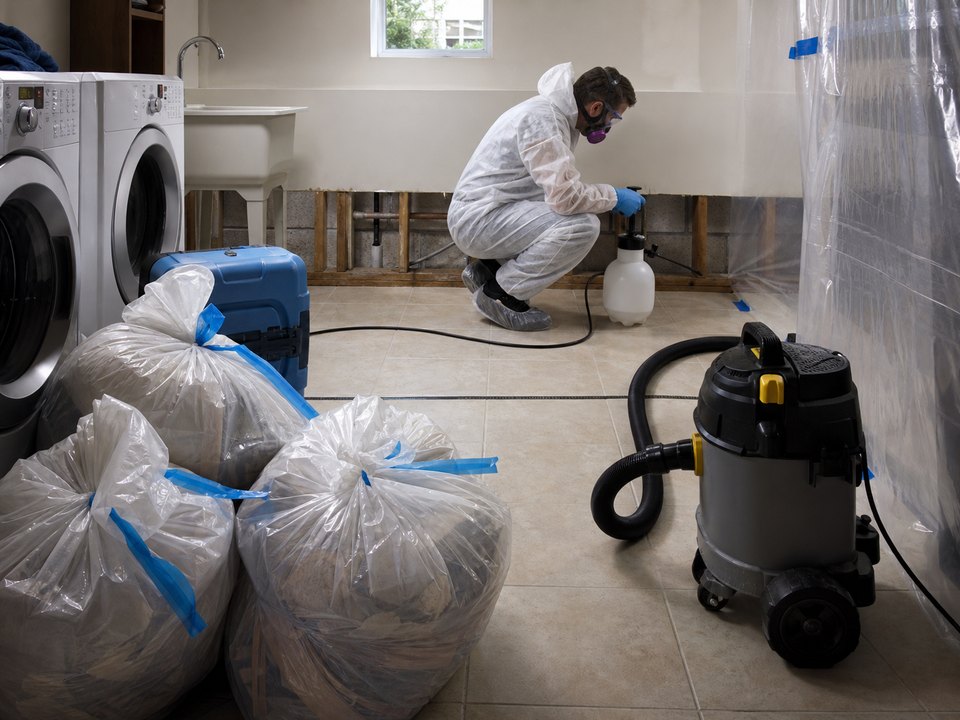
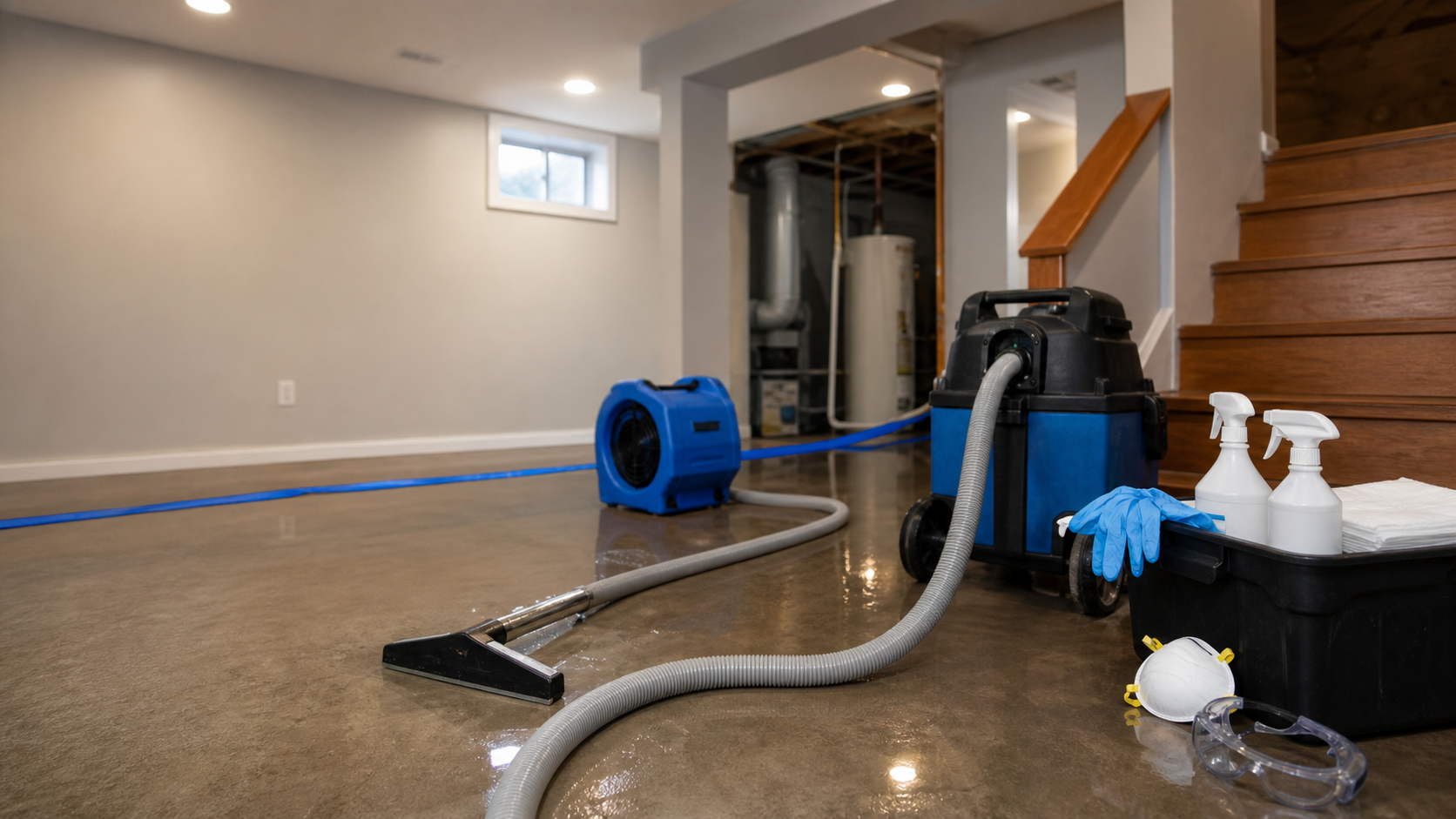
A backup cleanup is separate from clearing the line. The affected floor, walls, contents, and materials should be assessed for contamination before cleaning or removal. The CDC's flood-safety guidance recommends caution around contaminated floodwater and wet electrical equipment. Do not use a household vacuum or begin demolition in an uncertain contaminated area.
Preventing another interruption
If blockages recur, record where and when they happen. That history helps determine whether inspection, targeted cleaning, a repair, or a maintenance plan is useful. No schedule can guarantee that a line will never clog again.