
Older painted surfaces
Understand the risk before renovation
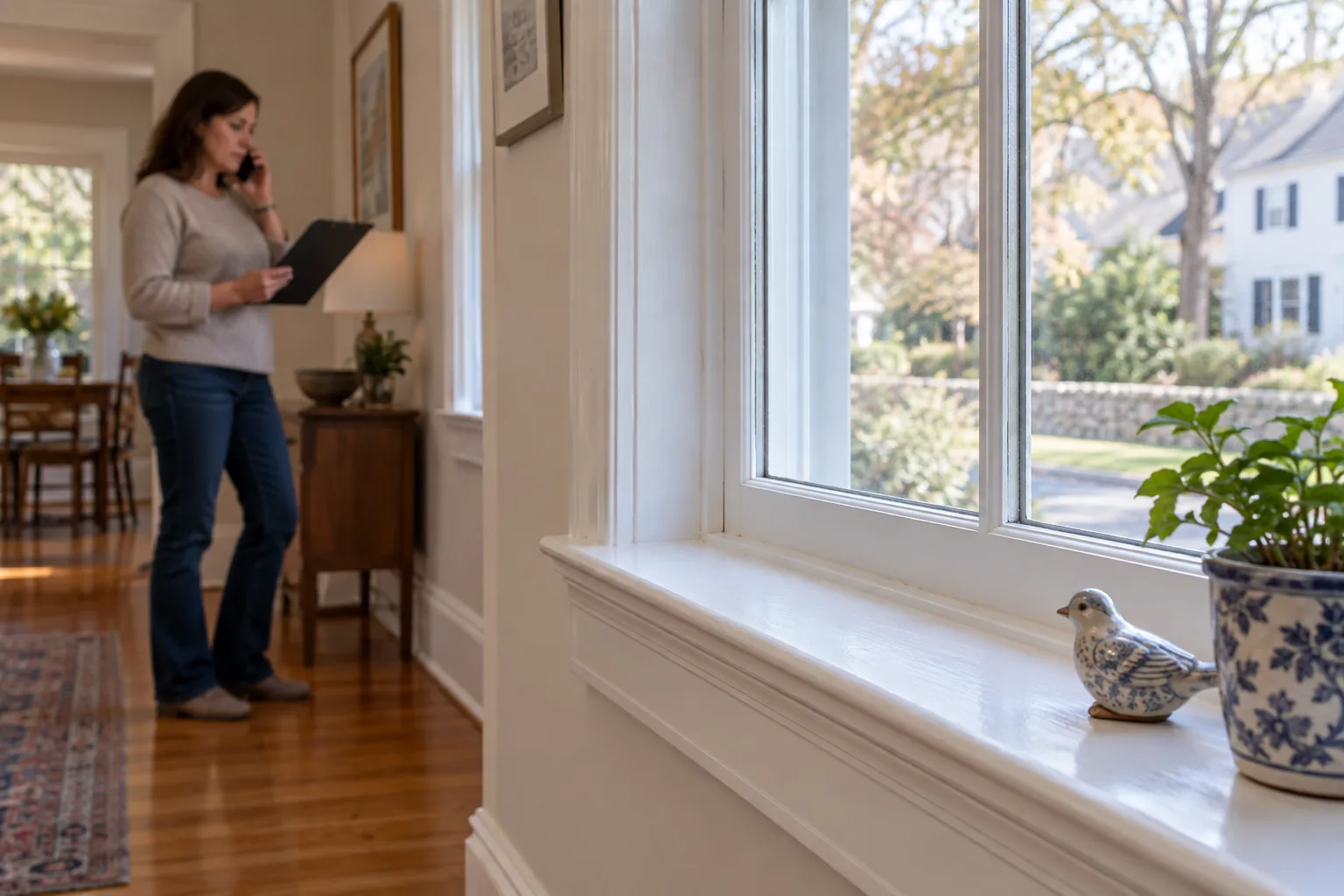
Paint in pre-1978 housing may contain lead. Disturbance can create hazardous dust, especially around windows, trim, and doors.
- Identify the surfaceReview age, condition, and planned work.
- Choose qualified helpTesting and the applicable lead-safe requirements shape the scope.
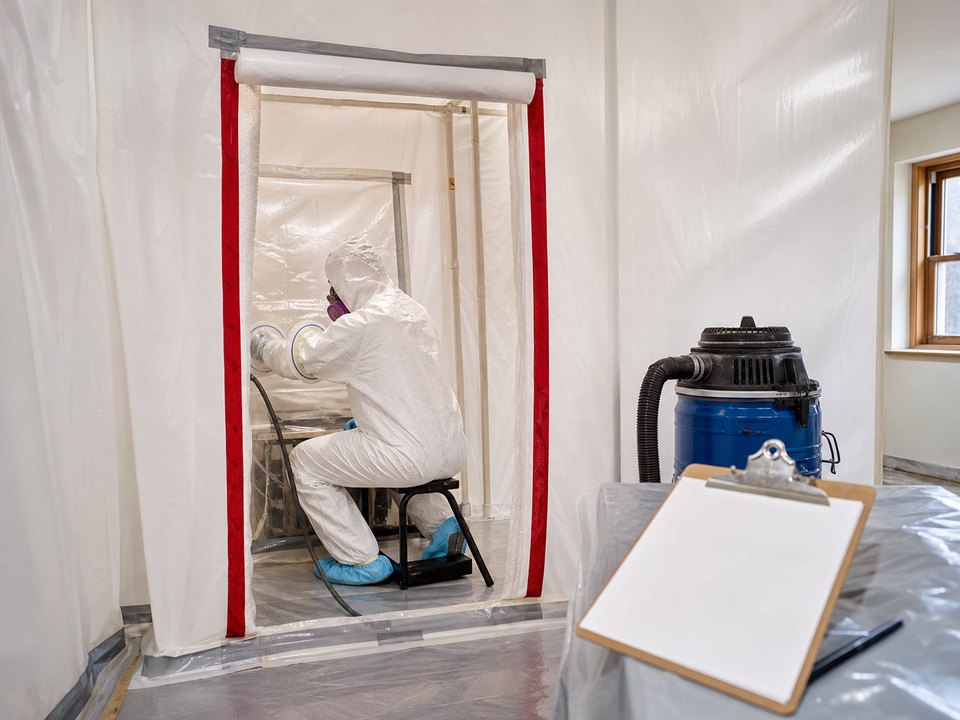
Painted surfaces in housing built before 1978 may contain lead. The concern during repairs is the dust created when old paint is cut, sanded, or removed, especially where children may be present. The age of a home raises the question; it does not prove a particular surface contains lead.
Testing and the work you plan to do
Decide what needs to be disturbed before choosing a testing or renovation path. A qualified lead assessment can answer one question; lead-safe renovation practices address another. The EPA's consumer RRP guidance explains why paid renovation in covered pre-1978 housing requires attention to certification and dust control. Abatement, which is intended to eliminate a lead hazard, is a different scope from ordinary renovation.
Options depend on condition
An intact painted surface, a worn window, and peeling trim call for different decisions. Encapsulation is not suitable for every surface, particularly one that rubs, receives impact, or is deteriorating. Ask a qualified professional what has been tested, what work is regulated, and how the area will be checked after the work.
Related guides
Learn more about testing, abatement or encapsulation, and lead-safe renovation. Do not dry-sand or scrape suspect paint while making that decision.