
Suspect materials
Confirm before disturbing older finishes
Asbestos cannot be identified by appearance alone. If renovation or damage will disturb a suspect material, qualified inspection and laboratory testing help determine the next step.
- Leave it intactAvoid scraping, sanding, or breaking suspect material while its status is unknown.
- Plan the scopeRegulated work requires the qualified people and controls applicable to the project.
Older ceiling texture, floor tile, pipe insulation, and other building materials can warrant testing before renovation or repair. Asbestos cannot be identified by sight. If a suspect material is in good condition and will not be disturbed, leaving it alone may be the better choice; if work will disturb it, plan the evaluation first.
Testing before disturbance
The EPA advises that a properly trained professional should take samples of suspect material for a qualified laboratory when testing is warranted. A label, age, or tile size is not a reliable diagnosis. Avoid scraping, sanding, or breaking the material while its status is unknown.
Planning regulated work
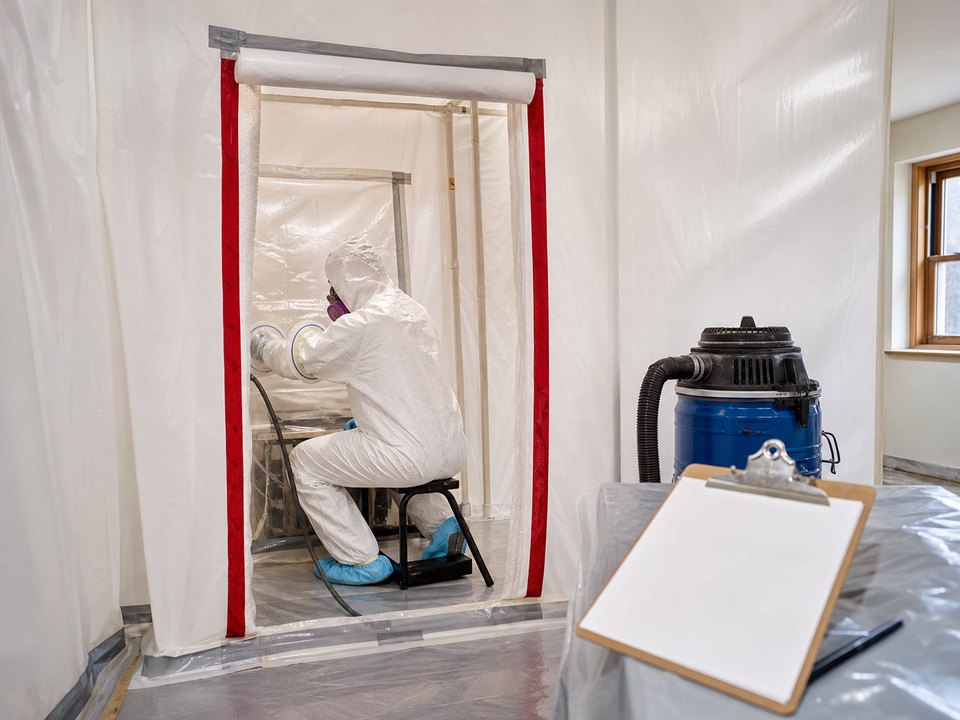
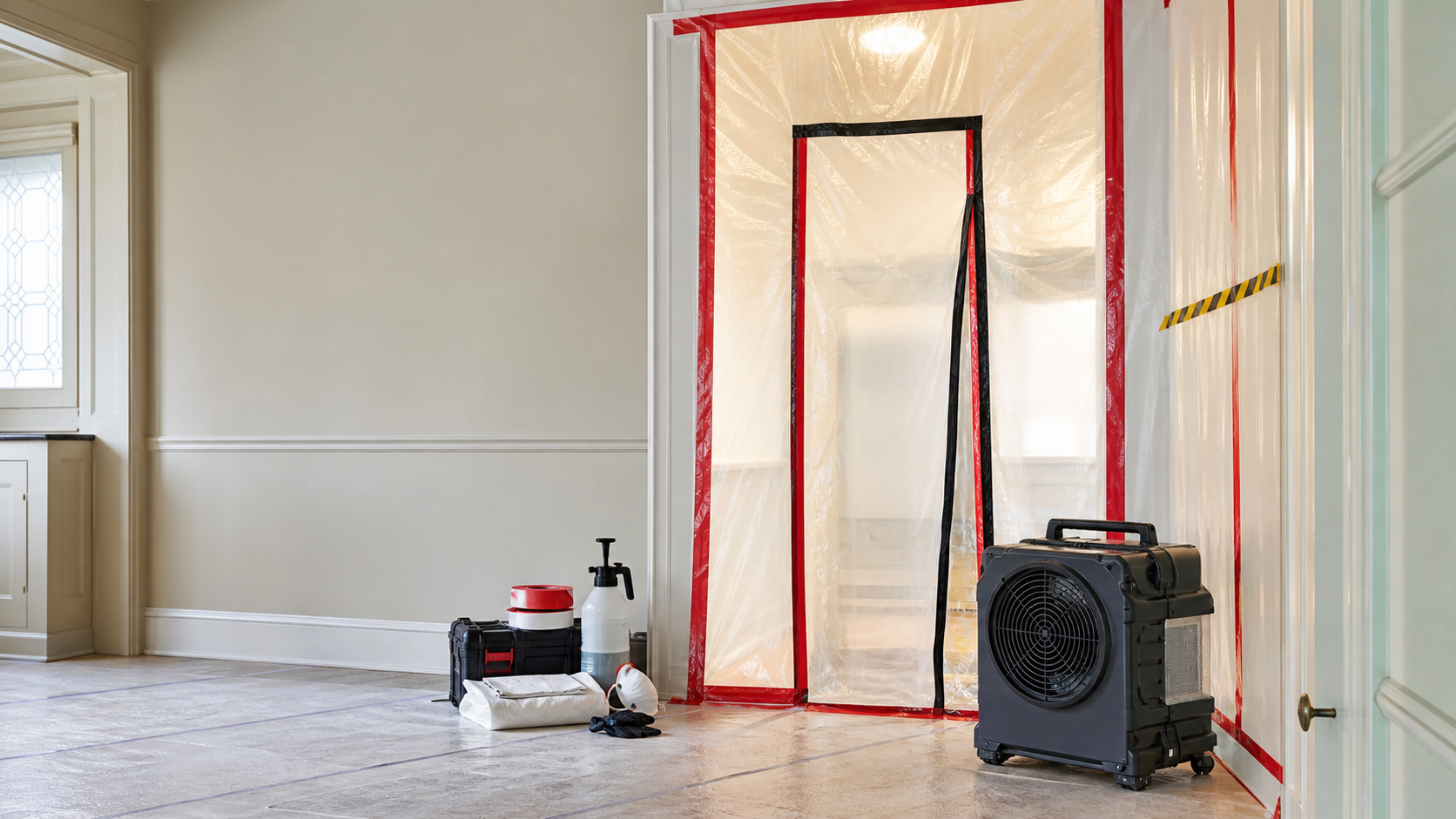
When testing confirms asbestos and the work requires disturbance, the scope may involve a licensed abatement contractor, containment, disposal, and notices that apply to the property and amount of material. Connecticut and federal rules are not identical for every building or activity. The Connecticut DPH Asbestos Program explains the state's oversight; the responsible qualified professional should determine the actual requirements for your project.
Where concerns often arise
The detailed guides cover popcorn ceilings, pipe insulation, floor tile and adhesive, and pre-renovation inspection. Each material and planned disturbance needs its own review. We can discuss how that assessment fits a repair or renovation without claiming an unverified company license.