
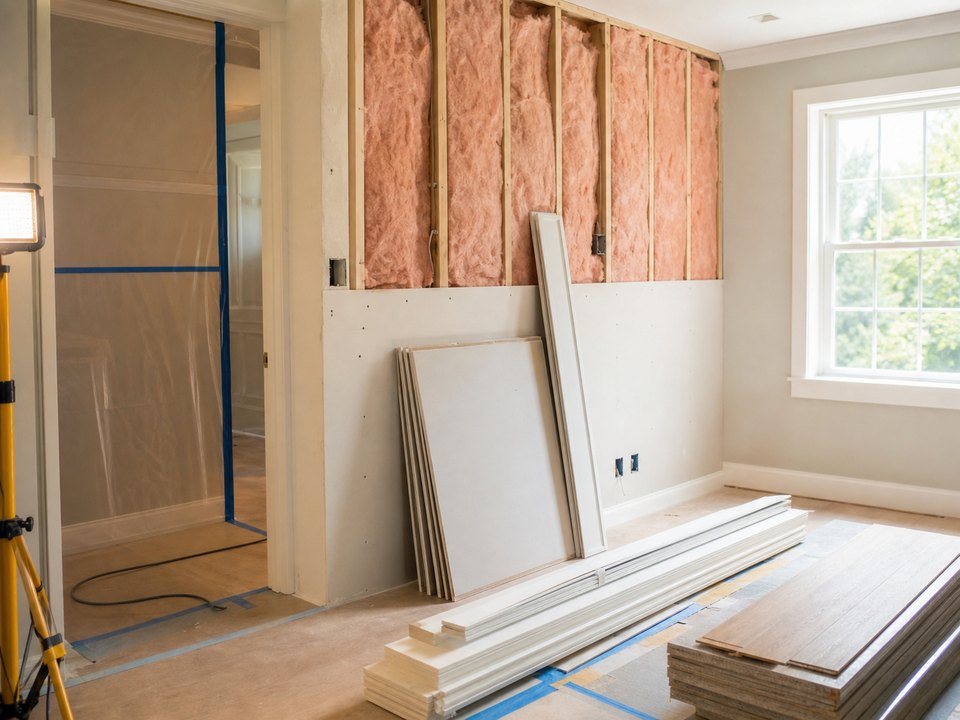
After property damage, you may need to protect the building while also keeping track of what happened. Photos, dates, measurements, and a clear description of the work can make conversations with an adjuster easier. They do not, by themselves, establish coverage.
Start with the condition of the property
Make the area safe before gathering records. When it is safe, photograph the source and affected rooms before cleanup changes the scene. Keep notes on when you noticed the damage, what was done to stop it, and which materials were removed or repaired. Your insurer may have its own reporting and documentation requirements, so review your policy and contact the carrier promptly.
What a project scope should explain
A useful scope identifies affected materials, the proposed cleanup or repair, and assumptions that still need confirmation. Measurements, moisture observations, testing results, and change notes may be relevant depending on the loss. The point is to describe the property accurately, not to predict what a carrier will approve.
Roles and decisions
We can discuss property conditions and provide records related to work in our scope. Your policyholder responsibilities, claim filing, deductible, coverage, and payment decisions remain between you and your insurer. An adjuster or other qualified professional may need to review disputed or complex questions.
Frequently asked questions
Do I have to wait for an adjuster before stopping active damage?
Do what is safely necessary to protect people and prevent further damage, then follow your insurer's reporting instructions. Keep photos and receipts where possible.
Can a repair estimate tell me what insurance will pay?
No. An estimate describes proposed work and cost; coverage depends on the policy, cause of loss, and carrier's decision.