

Repair planning
Turn a damage scope into a rebuild plan
Once the property is stable, repairs need to account for what was removed, what remains sound, and how finishes will be matched.
- Review conditionsDocument the areas opened during mitigation and any hidden damage.
- Define scopeCoordinate materials, trades, permits, and owner selections before rebuilding.
Once damaged materials are removed and the property is stable, the next step is planning the repairs. The scope should explain what needs to be rebuilt, which trades are involved, and how the work will be coordinated. That is true whether the project began with water, fire, or another loss.
From cleanup to a repair scope
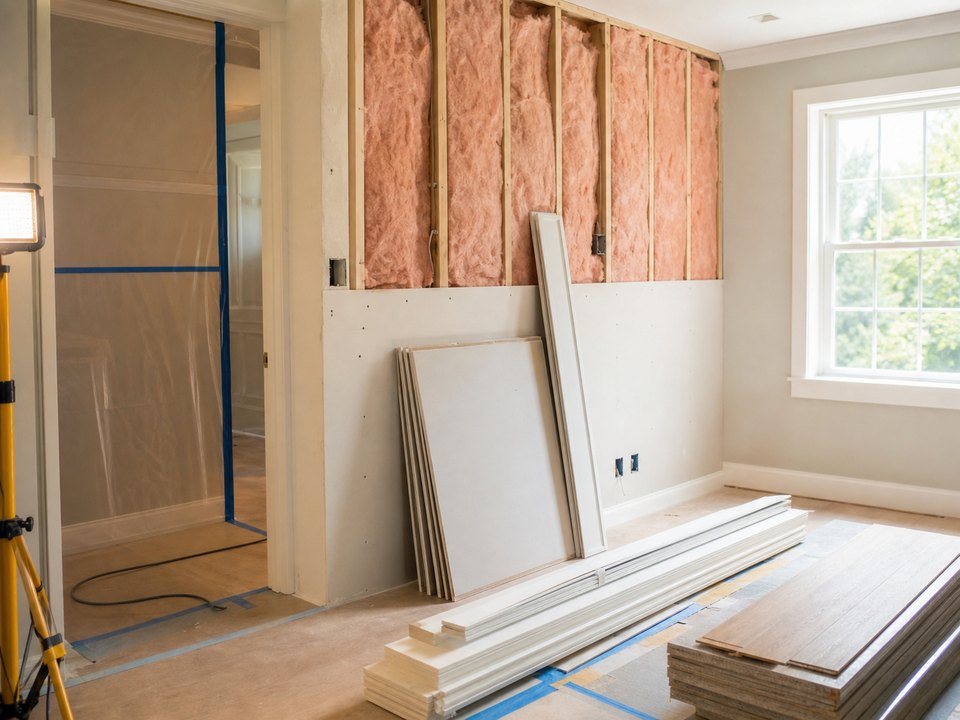
Before finishes go back, review what was opened during mitigation and whether the underlying material is ready for repair. Hidden conditions may change the work once a wall or floor is exposed. A practical plan describes framing, insulation, drywall, flooring, trim, painting, and specialty trades only where they apply. Selections and finish matching should be discussed before the schedule is treated as final.
Keeping the project understandable
The owner should know which areas are included, who handles each trade, whether permits or testing are needed, and what decisions are still open. A written scope helps separate an agreed repair from a later change. We can discuss how the mitigation record and repair plan connect without assuming that one insurer or one contractor will handle every part of the work.
If insurance is involved
Photos, measurements, and the proposed scope can be supplied for review. Coverage and payment depend on the policy and carrier; a construction plan does not decide a claim. See insurance repair reconstruction for the questions that commonly arise during the repair phase.