Post-loss repairs
Keep the repair scope clear
A claim file and a construction plan serve different purposes. The work scope should describe the actual repairs needed at the property.
- Document conditionsKeep photos and measurements tied to the affected areas.
- Review decisionsCoverage questions belong with the policyholder and insurer; construction choices follow site conditions.
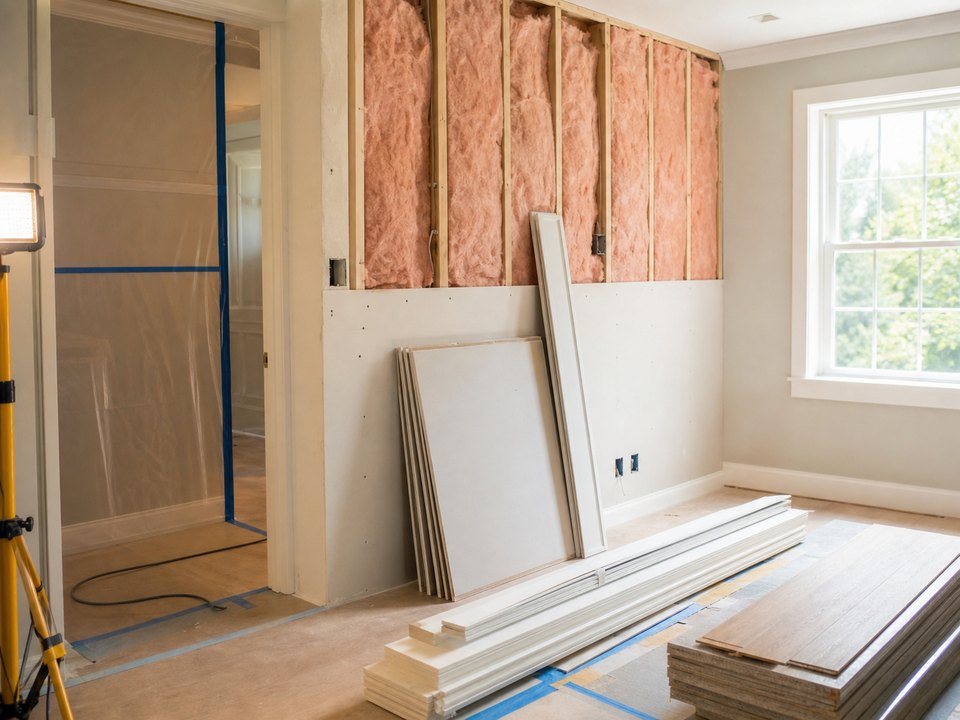
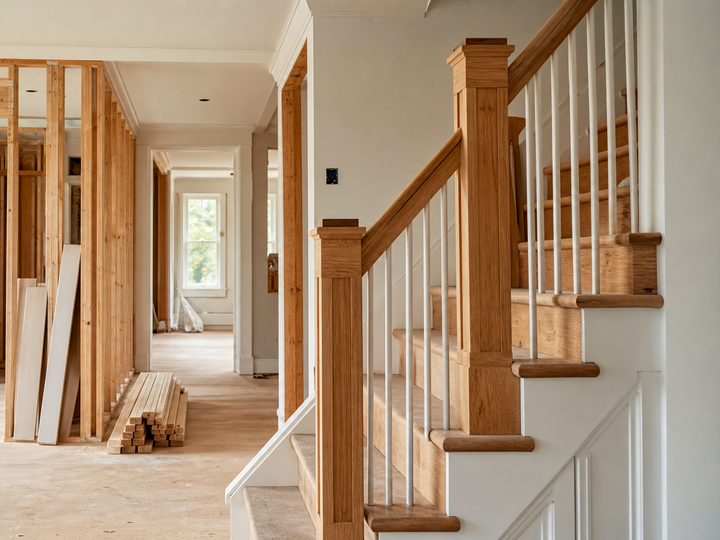
Once the emergency work is complete, the property still needs a repair plan. That plan should explain which materials are being replaced, what finish will match or change, and which trades need to be scheduled.
From damage scope to building scope
Drying or demolition documentation can help show what was affected, but it is not the same as a construction estimate. The repair scope may need measurements, product selections, code or permit review, and a sequence for work in occupied rooms. Ask which decisions are needed from you before ordering materials.
Working with an insurance claim
If you have a claim, keep the estimates and change details organized for your conversation with the insurer. The insurer determines covered work and payment under your policy; a contractor's scope describes proposed repairs. Differences can be discussed using specific measurements and line items rather than assumptions about what must be paid. See reconstruction for the broader process.