
Moisture first
A useful mold assessment asks why it grew
Cleaning visible growth without resolving the moisture source can leave the same problem ready to return.
- Find the moistureConsider leaks, condensation, and ventilation conditions.
- Define the affected areaLook at materials around the visible growth before choosing a scope.
- Plan the remedyDiscuss source repair, cleaning or removal, and how completion will be evaluated.
Seeing mold often means there is a moisture problem nearby. The useful first step is to find out why the area stays damp, how far the problem extends, and whether the affected material can be cleaned or needs to be removed.
Start with the moisture source
Leaks, condensation, wet building materials, and poor drainage require different repairs. Surface cleaning alone will not solve a continuing leak. The EPA's homeowner guide puts moisture control at the center of mold prevention and cleanup. Color alone cannot identify a mold species or determine the scope.
What remediation may involve
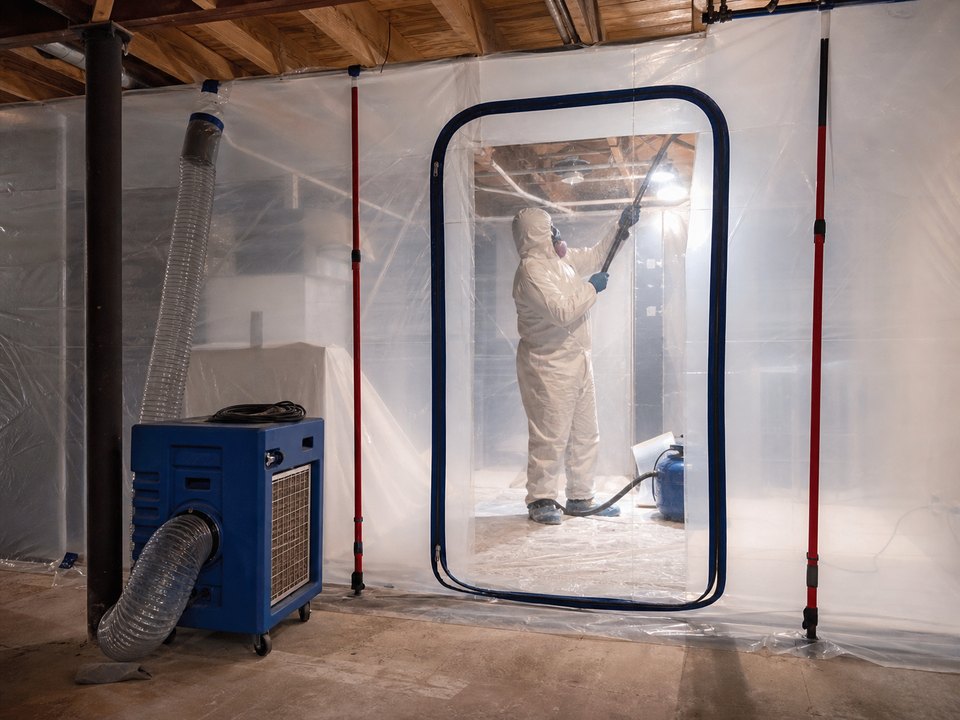
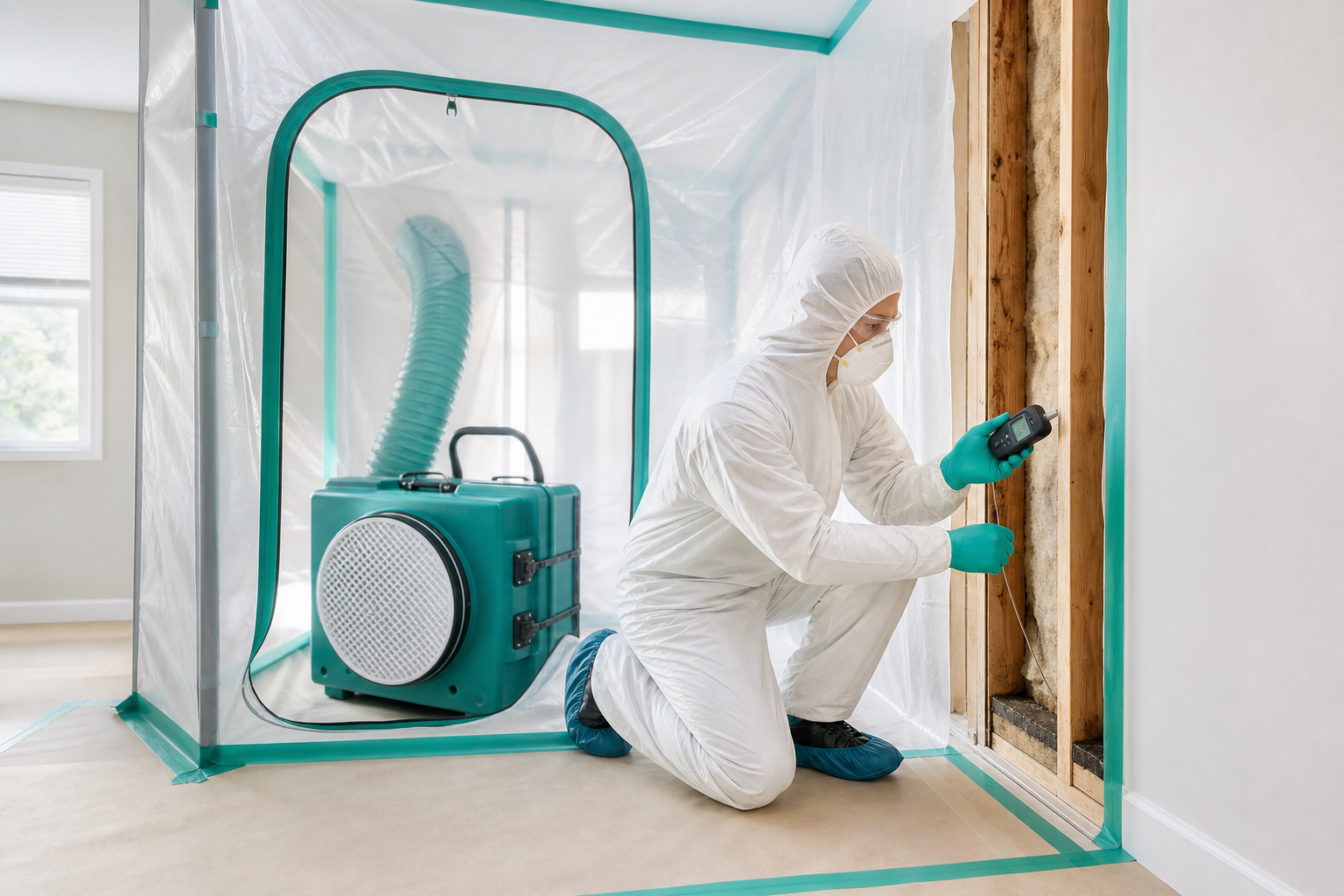
The plan depends on the size and location of the growth, the material, and whether the space is occupied. It may include protecting adjacent areas, removing material that cannot be cleaned, cleaning what remains, and correcting the moisture source. A small patch on a sound surface is different from growth behind tile or across wet insulation. If someone in the home has health concerns, ask a health professional for advice; a contractor cannot diagnose symptoms.
After cleanup
Ask how the source was addressed and what conditions should be watched. Moisture can return in an attic, basement or crawlspace, or bathroom for very different reasons.
Is a mold test always required?
No. Visible growth and a known moisture source may already provide enough information to plan next steps. Testing may be useful when the source, extent, or another decision remains unclear. The EPA explains when professional help may be appropriate.