
Attic conditions
Find the moisture pathway
Roof leaks, air leakage, and poor ventilation can all leave attic surfaces damp. The right repair depends on which condition is present.
- Inspect the envelopeLook for leaks, condensation patterns, and affected sheathing.
- Address the causePlan repairs and cleaning together rather than treating staining alone.
Staining on attic sheathing can point to a leak, condensation, or air from the living space reaching a cold roof surface. The pattern may offer clues, but the source must be checked before anyone decides how to treat the wood.
What the inspection should consider
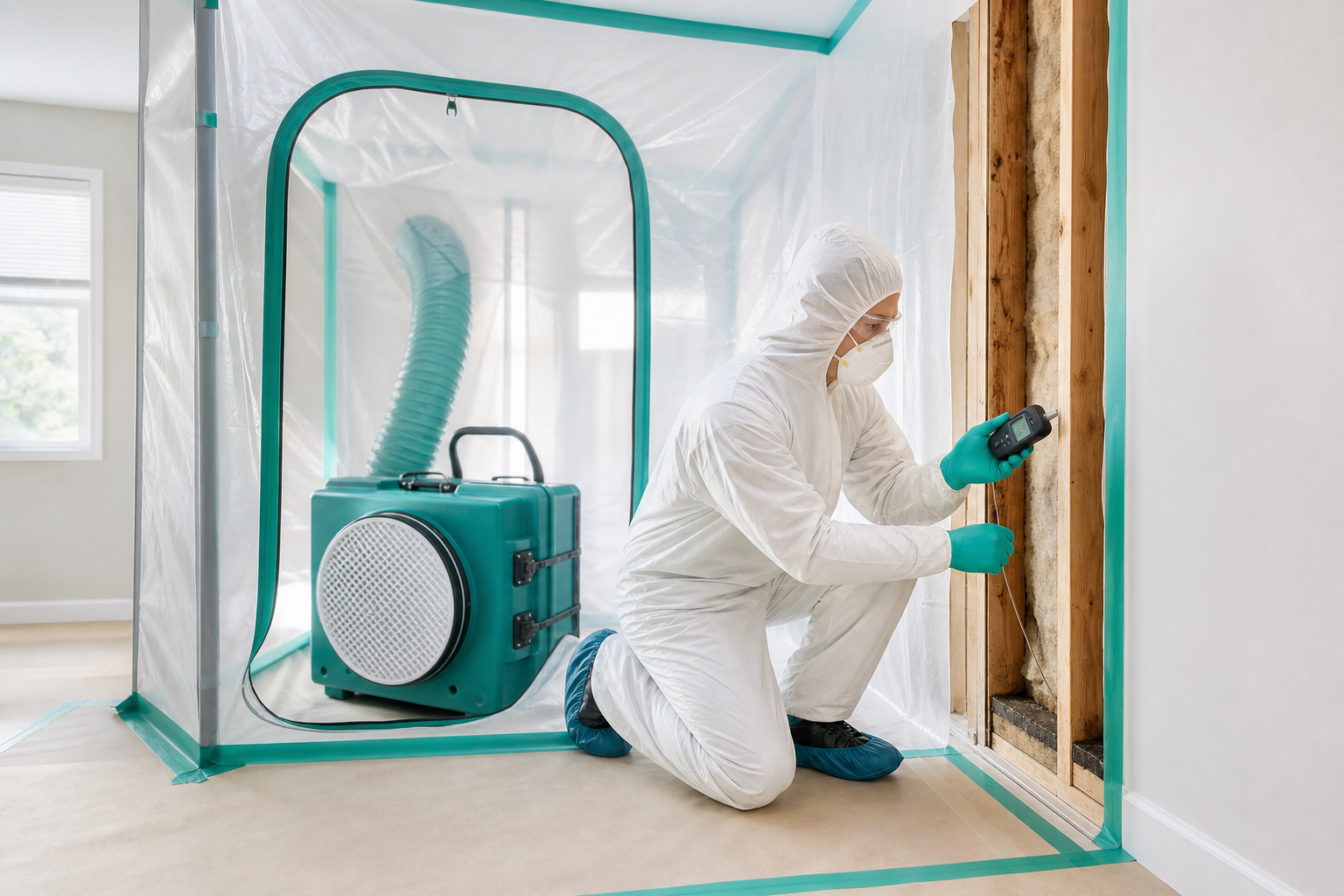
Roof and flashing condition, bathroom fan discharge, insulation gaps, and attic ventilation can all affect moisture. A surface treatment without correcting the cause may leave the same conditions in place. The inspection should also distinguish discoloration from material that is damaged or actively damp.
Planning the work
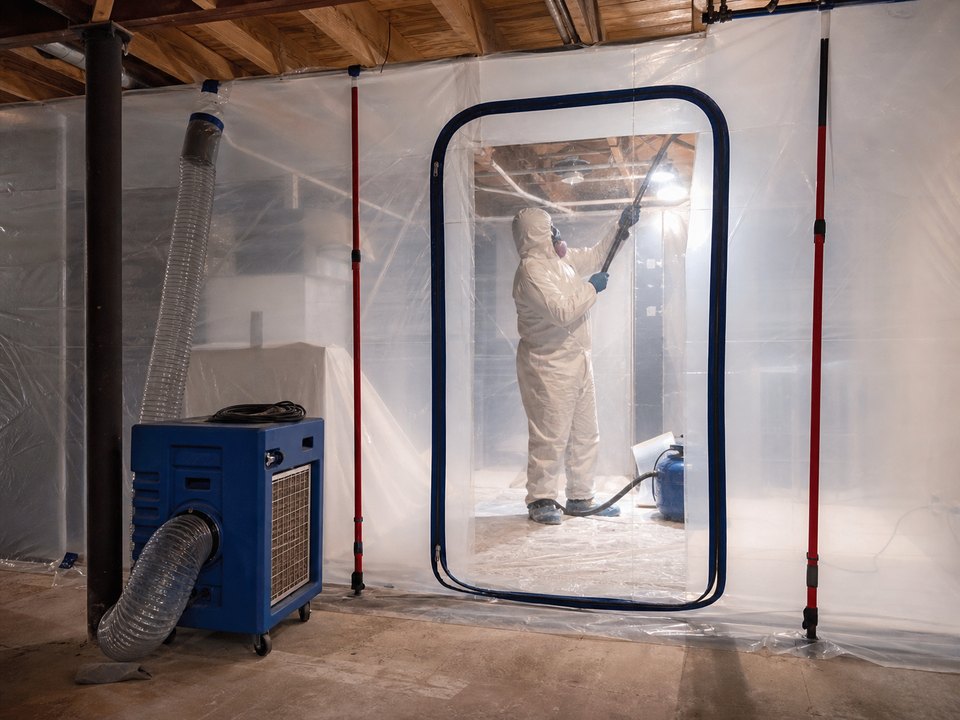
Roofing, ventilation, or air-sealing repairs may be needed alongside cleaning. The method used on sheathing depends on its condition and the extent of growth. Ask what will be repaired, what material can remain, and how future moisture will be monitored. Avoid disturbing suspect insulation or older materials during access without considering whether testing is needed.