

Mold concern
Color does not define the remedy
Dark growth is a reason to investigate moisture and affected materials, not a way to identify a species by sight.
- Avoid disturbing itUnnecessary scraping can spread particles into the room.
- Assess the conditionsThe location, size, moisture source, and material matter more than color alone.
Dark staining is understandably concerning, but color alone cannot tell you what kind of mold is present or whether a particular health effect will occur. What matters first is whether the material is wet and how far the growth or damage extends.
Assess the conditions, not the nickname
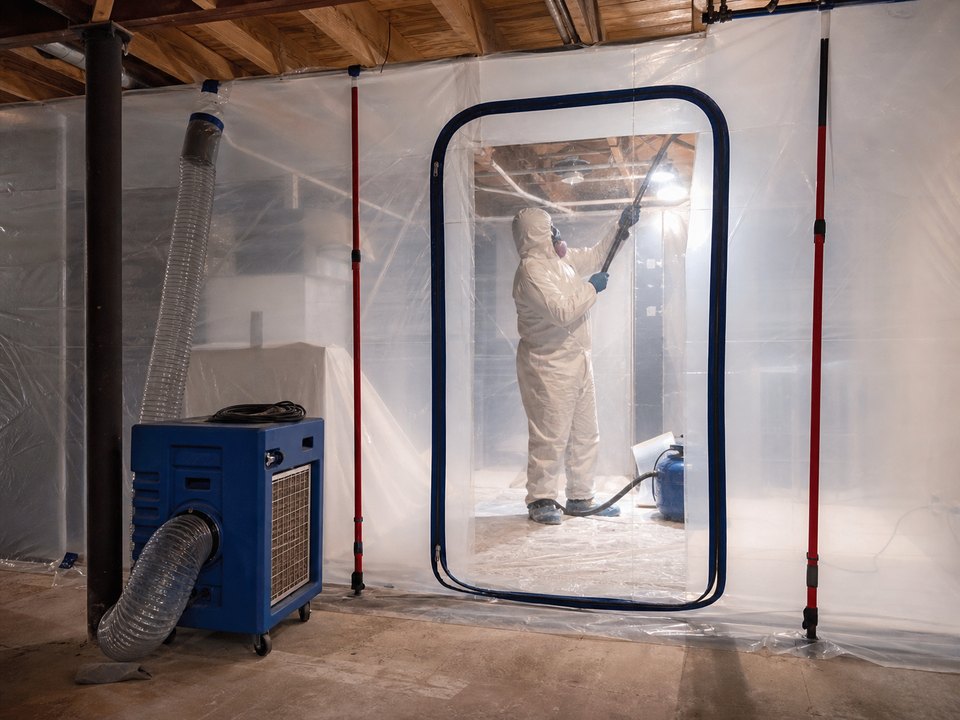
Look for leaks, condensation, and other moisture sources. A patch on a cleanable surface is different from growth across wet drywall or inside a wall. Avoid scraping or painting over it while the cause remains. The EPA's mold guidance emphasizes correcting moisture and cleaning or removing affected material as appropriate.
Choosing the next step
An inspection can help define the area and what may need to be opened. Testing is not always required to act on visible mold, but it may answer a specific unresolved question. If anyone has health concerns, consult a health professional; a property assessment cannot diagnose illness. Ask how the moisture source will be corrected and what conditions should be watched after cleanup.