
Below-grade moisture
Separate seepage from humidity
Basements and crawlspaces can stay damp for different reasons, from water entry to condensation on cool surfaces.
- Review water pathsCheck drainage, plumbing, and where dampness appears.
- Match the responseThe moisture source determines whether repair, drying, or material removal is needed.
Below-grade spaces can stay damp because of water entry, condensation, or indoor humidity. Finding the source helps determine what to repair and how to prevent the problem from returning.
Why the source matters
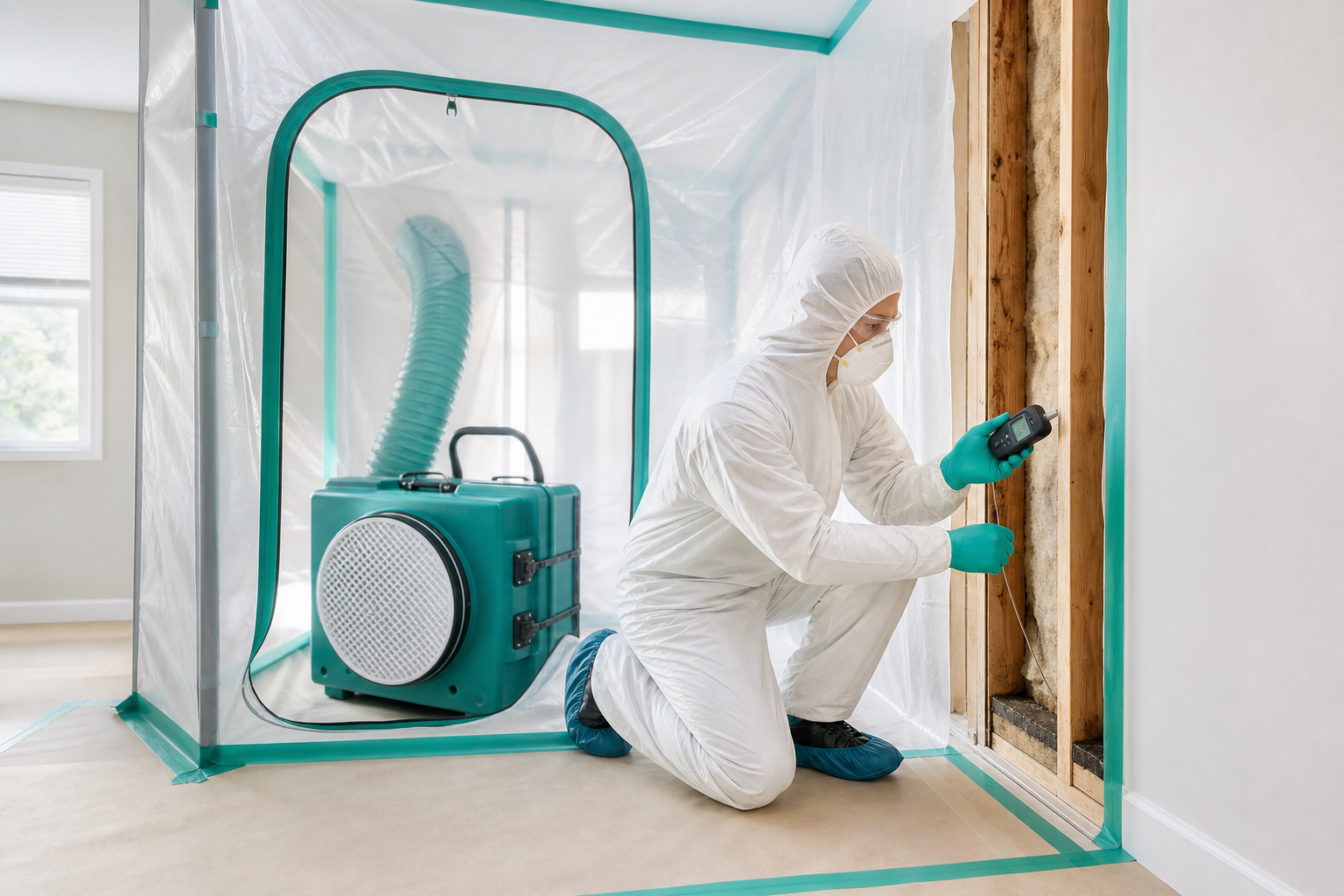
Water at one foundation wall may suggest seepage, while moisture across cool surfaces may point to condensation. A plumbing leak is another possibility. The assessment should look at where the dampness appears, what materials are affected, and whether drainage or ventilation needs attention. Not every stained surface needs the same treatment.
Cleaning and prevention
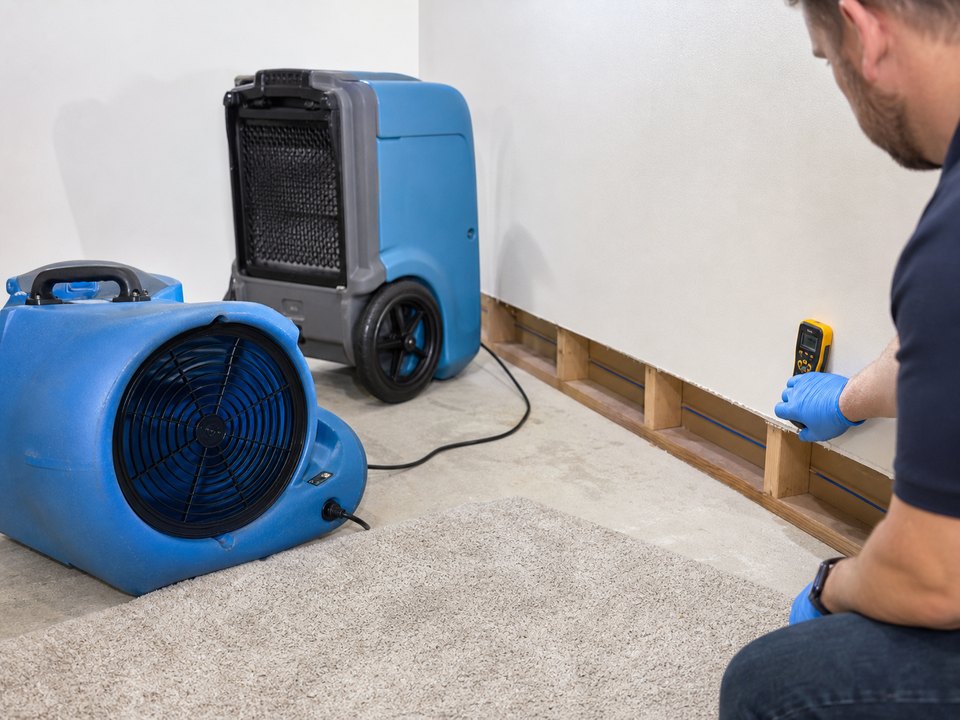
Wet cardboard, insulation, wood, or finishes may need different responses. The plan can address damaged material and the moisture condition together. A dehumidifier may help manage humidity, but it cannot repair water entry or a leaking pipe. The EPA's homeowner guidance explains why moisture control is central to keeping mold from returning.