
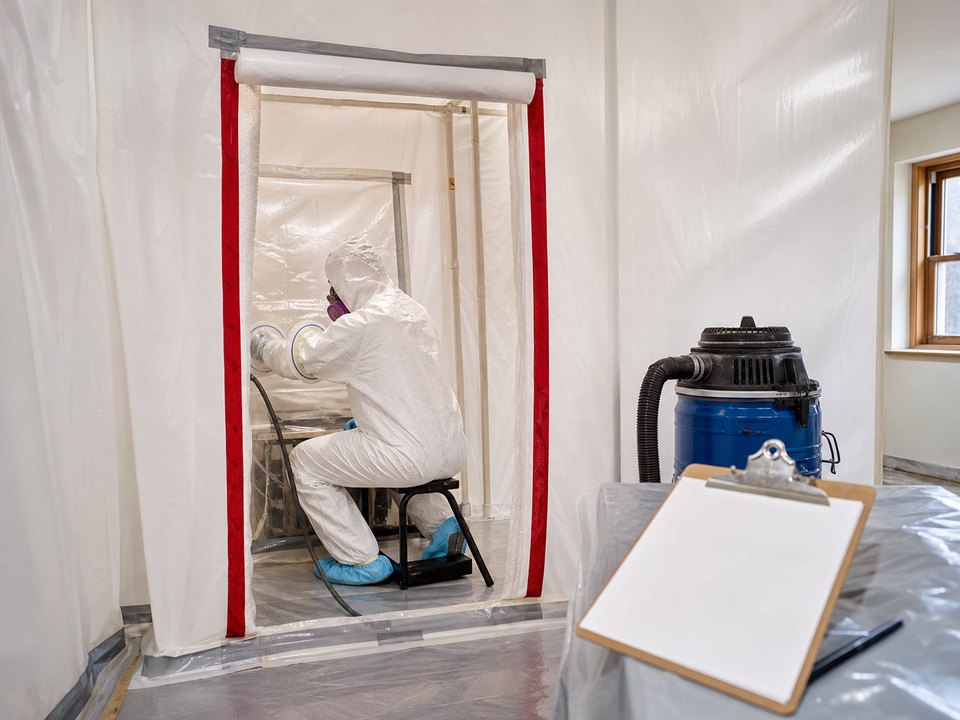
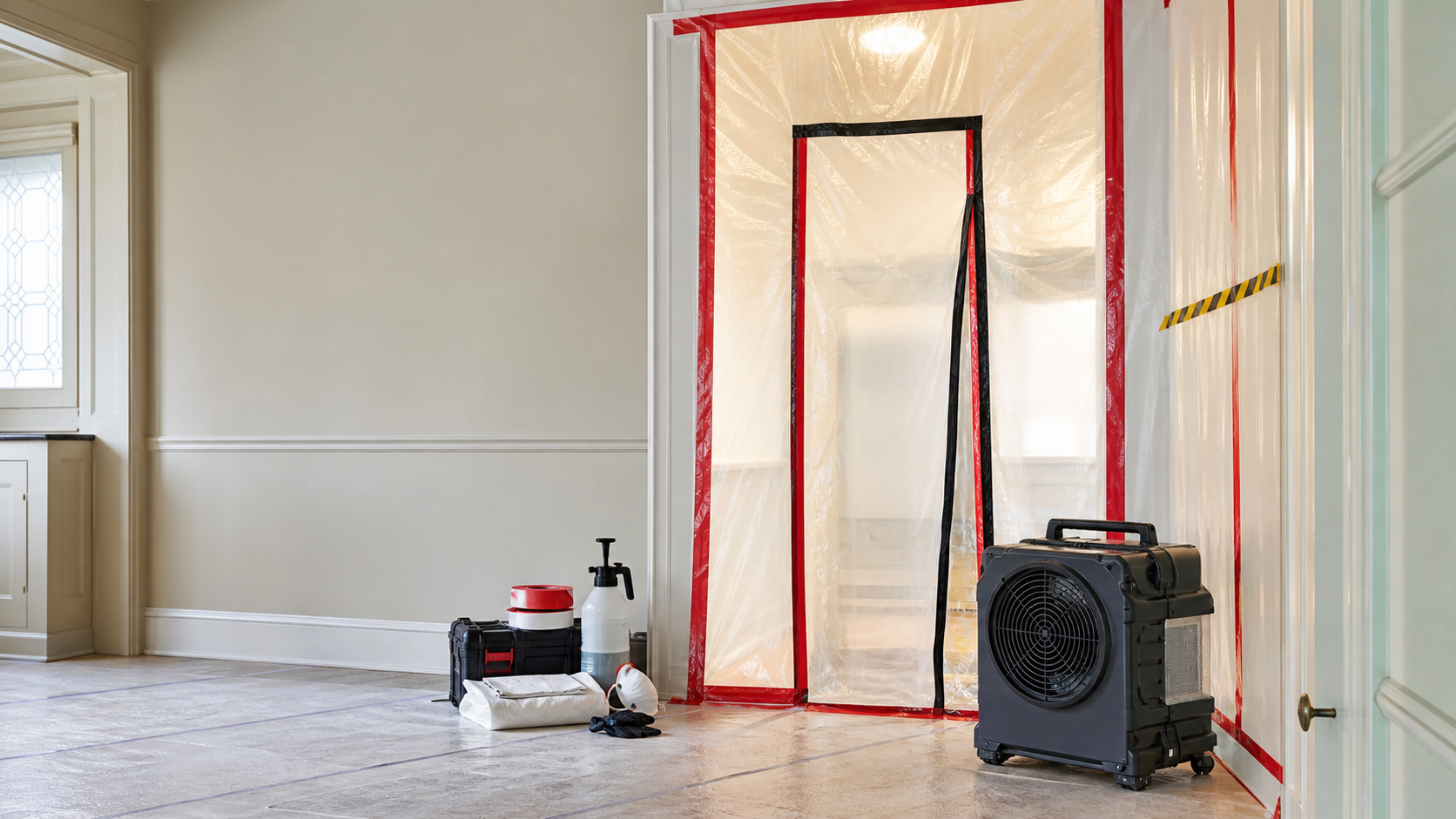
Floor assemblies
Consider tile and adhesive together
Older floor tile and the adhesive beneath it may require separate testing before demolition or replacement.
- Review both layersThe visible tile is not the whole flooring assembly.
- Plan disturbanceChoose a compliant path only after the material is identified.
An old resilient floor can be covered, repaired, or removed depending on its condition and the renovation goal. The tile or adhesive may be suspect, but color, size, and age alone do not confirm asbestos.
Before pulling up the floor
If the proposed work would disturb the material, discuss testing by a qualified professional. EPA guidance cautions against disturbing suspected asbestos materials unnecessarily. A scope for confirmed material should account for the tile, adhesive, subfloor condition, access, and the finish that follows.
The finish is part of the decision
Removal is not always the only route to a new floor. The right approach depends on the material's condition, the new flooring requirements, and applicable regulations. Ask how the selected approach affects floor height, transitions, and future work. Connecticut's asbestos program is the reference for state requirements.