
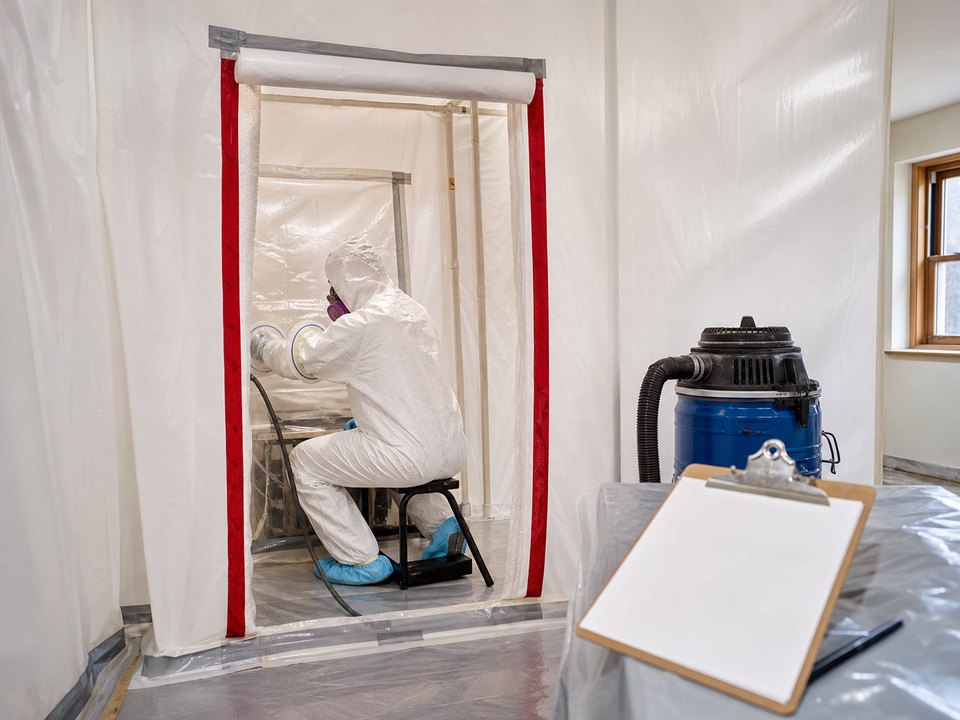
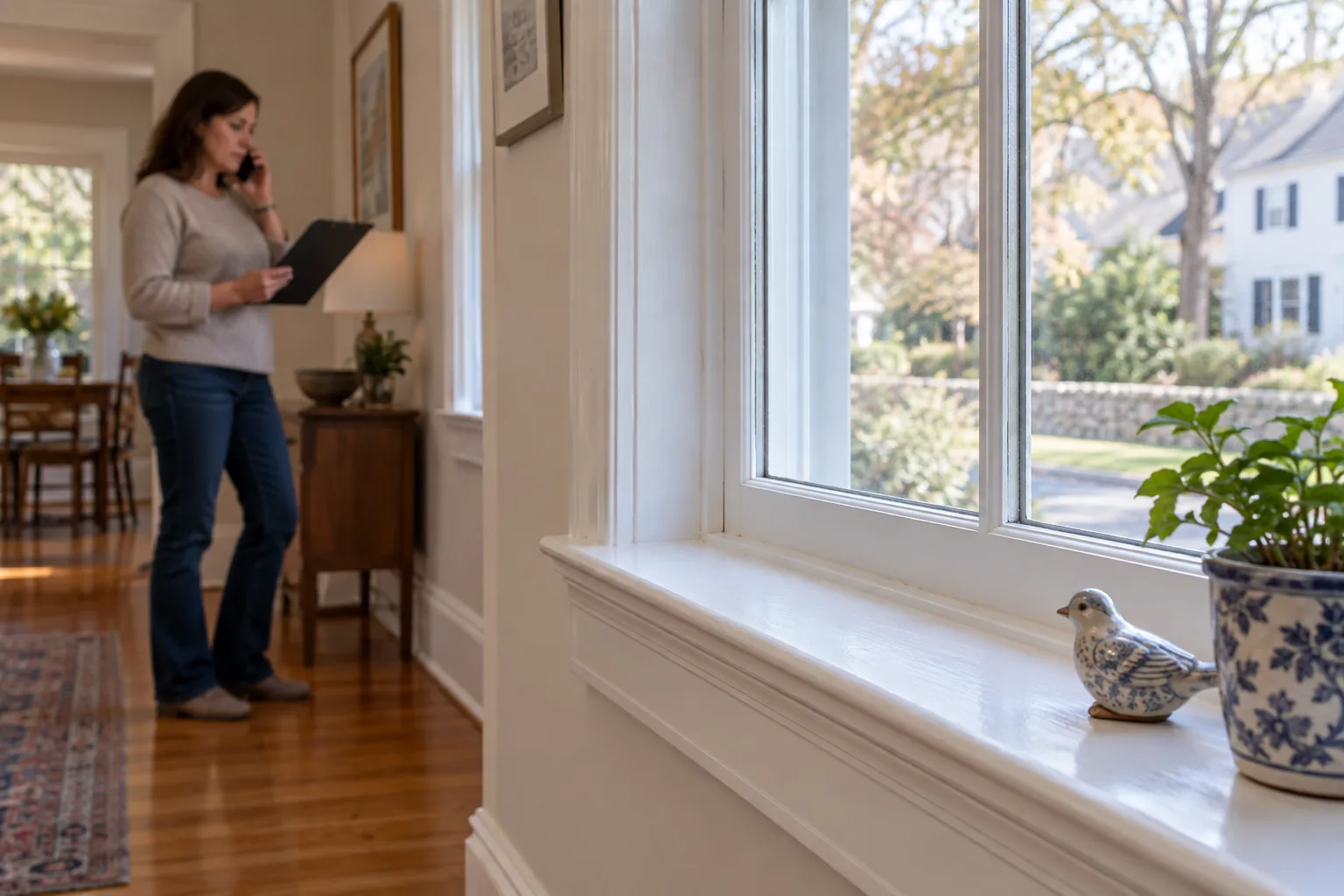
Lead assessment
Use testing to make an informed plan
Testing can clarify whether paint or dust needs special handling before a repair or renovation proceeds.
- Define the questionIdentify which surfaces or rooms are being disturbed.
- Review findingsA qualified professional can explain what the results mean for the work.
Paint condition and a home's age can raise a question about lead, but they cannot answer it. Testing helps an owner understand what surfaces are involved before sanding, demolition, window work, or other disturbance.
Choose the test for the decision
The right approach depends on whether you need information about a particular surface, a renovation scope, or a broader hazard assessment. A qualified professional can explain the available methods and what each result does and does not establish. Do not rely on appearance or a quick spot check to declare an entire property lead-free.
Planning work after the result
In many pre-1978 homes and child-occupied facilities, covered renovation work must follow the EPA's Renovation, Repair and Painting Rule. Connecticut may have additional requirements for lead investigation or abatement. Share the findings with the contractor before the scope is finalized, especially for windows, trim, and painted plaster.