
Lead hazard options
Compare controls to the condition
Encapsulation and abatement serve different situations. Deteriorated surfaces, friction points, and future use all matter.
- Assess the surfaceCheck whether the material is sound enough for the proposed treatment.
- Plan oversightUse properly qualified professionals for regulated work and required verification.
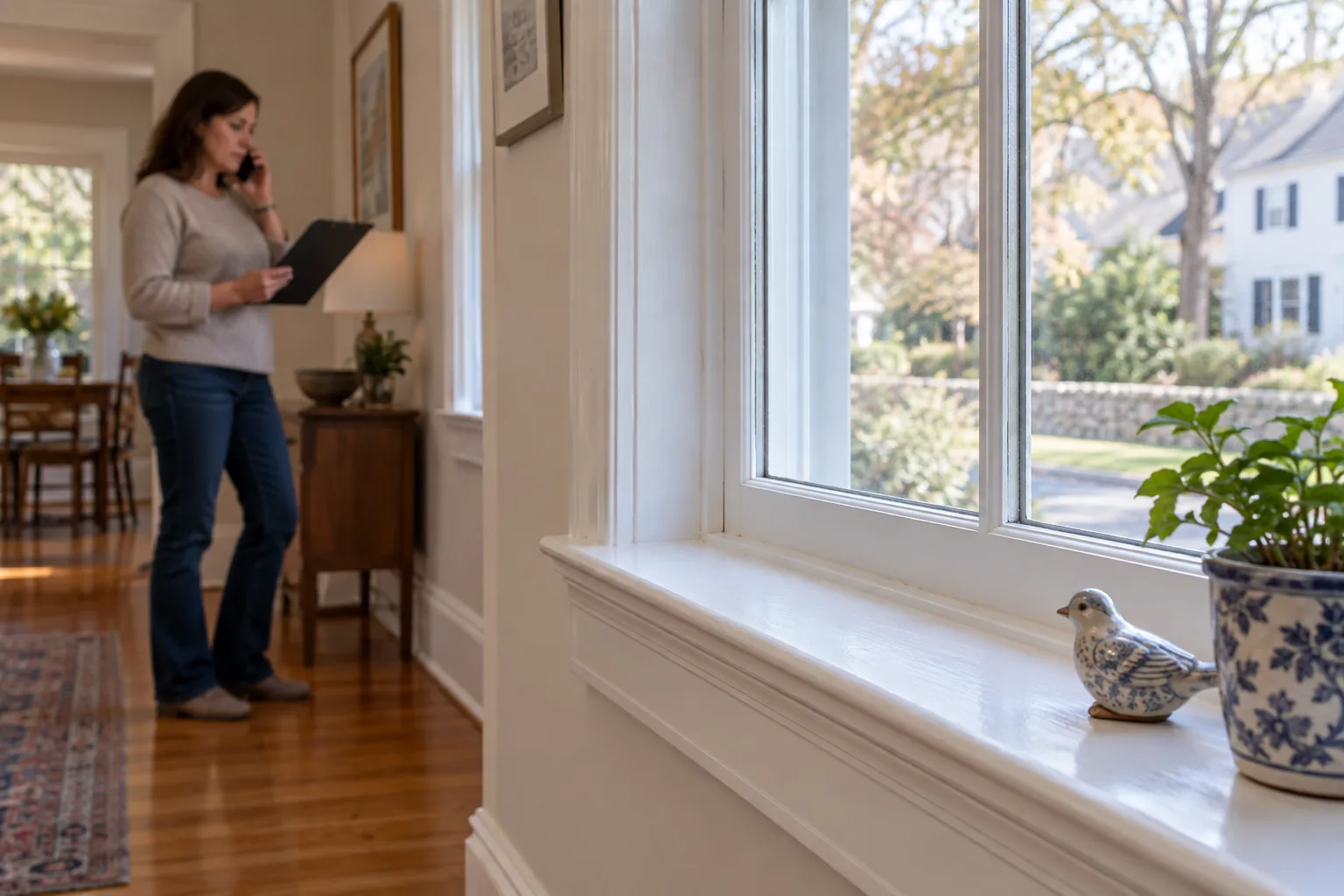
If testing identifies lead-based paint, the next question is what the surface is doing and what work is planned. A sound painted wall presents a different decision from a deteriorating window that rubs every time it opens.
Understanding the options
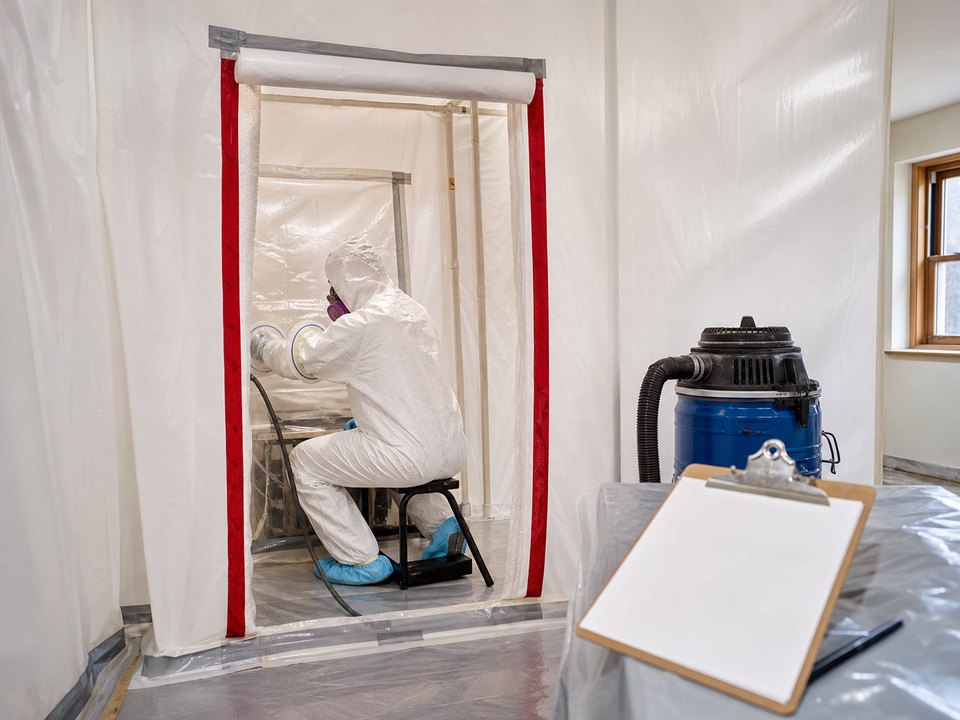
Encapsulation, enclosure, component replacement, and removal are distinct approaches. The suitable option depends on surface condition, use, accessibility, and applicable rules. Some measures are intended as permanent abatement; ordinary renovation has different requirements. Ask the qualified professional to name the proposed method and explain how it will be maintained or verified.
Before anyone disturbs paint
Keep children away from deteriorating paint and renovation dust. Do not dry-sand suspect coatings. The EPA's lead-safe renovation guidance explains the federal rule for covered work; Connecticut requirements should also be checked for the specific project. No website description can establish the licensing needed for your address and scope.