
Drain upkeep
Plan around recurring problems
A useful maintenance plan is based on a documented pattern, not a one-size-fits-all visit schedule.
- Review historyNote repeat clogs, roots, grease, or prior repairs.
- Set checkpointsDecide when inspection or cleaning is warranted by the line's condition.
Recurring slow drains or backups deserve more than another temporary clearing. Maintenance begins with understanding which line is affected, what has been found before, and whether there is a pattern in the timing or location of the problem.
A practical maintenance conversation
Keep a record of prior repairs, inspections, and backups. A plumber can use that history to decide whether cleaning, a camera inspection, or a repair evaluation makes sense. Maintenance intervals should follow the condition of the system and the professional's findings, not a universal schedule.
When a backup has already occurred
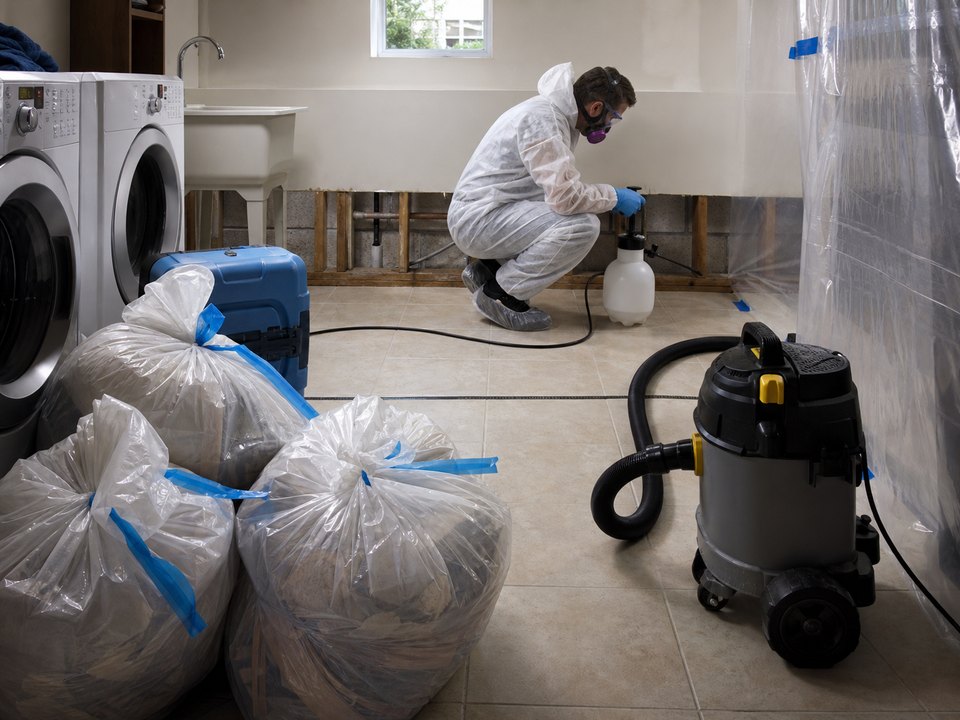
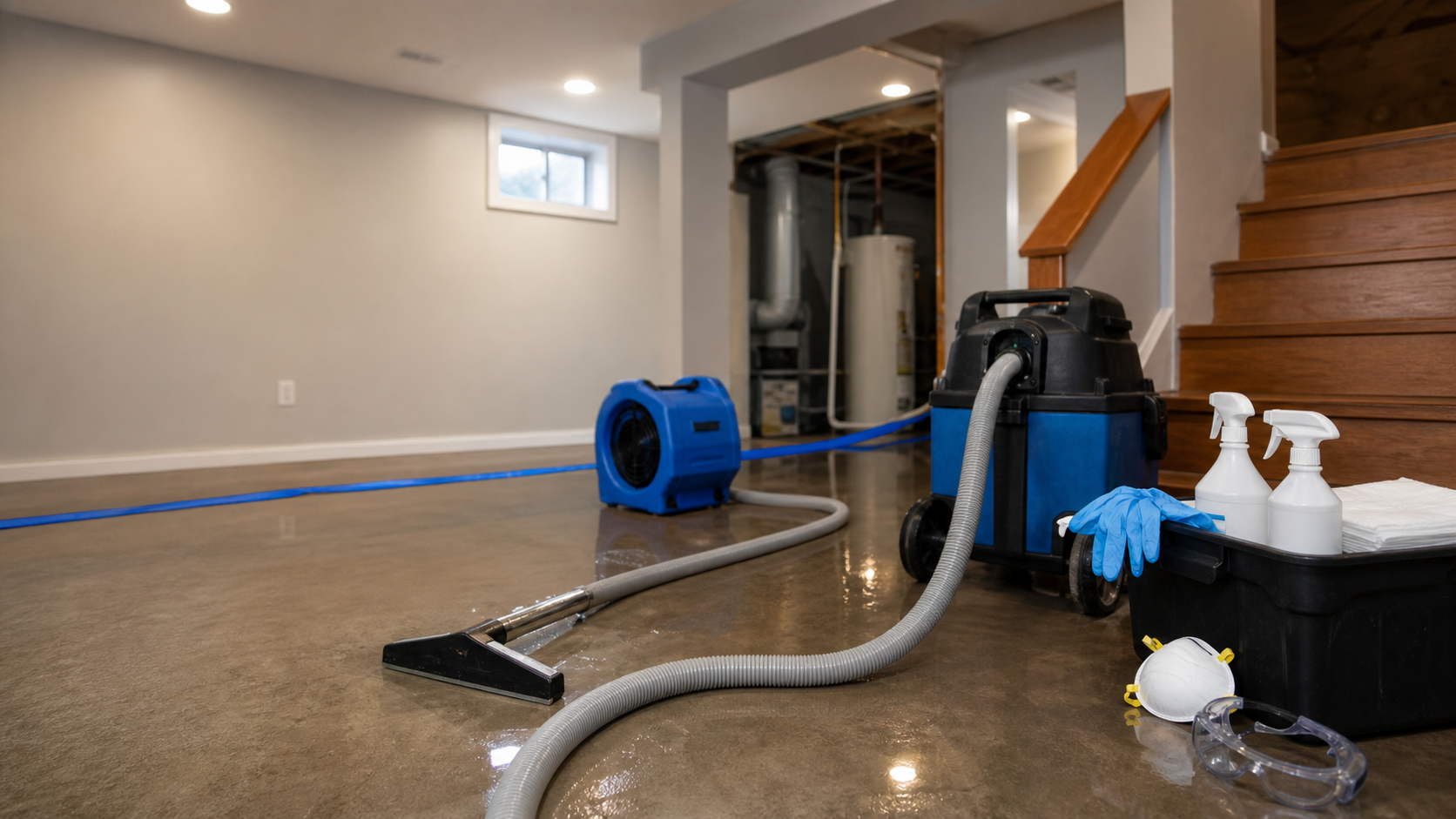
Stop using fixtures that feed the affected line and keep people away from contaminated water. Once the plumbing cause is addressed, cleanup of affected rooms may still be needed. Document what happened before discarding damaged items when it is safe to do so.
Frequently Asked Questions
Can maintenance prevent every backup?
No. Cleaning can address some buildup, but breaks, roots, unsuitable materials, and other conditions may require different work. Ask what the inspection actually found.