
Contaminated water
Protect people and separate the cleanup
Sewage can contaminate porous materials and surfaces beyond the visible puddle. Avoid contact while the source and affected area are assessed.
- Stop the sourceArrange plumbing help where a drain or sewer fault is active.
- Review exposureIdentify touched contents and materials before cleaning or removal.
A sewage backup needs a different response from an ordinary plumbing spill. Keep people and pets out of the affected area, avoid contact with the water, and stop using fixtures that may add to the backup. If electrical outlets or equipment are wet, do not enter to turn them off. A plumber may need to address the blockage before cleanup can begin.
What the cleanup may involve
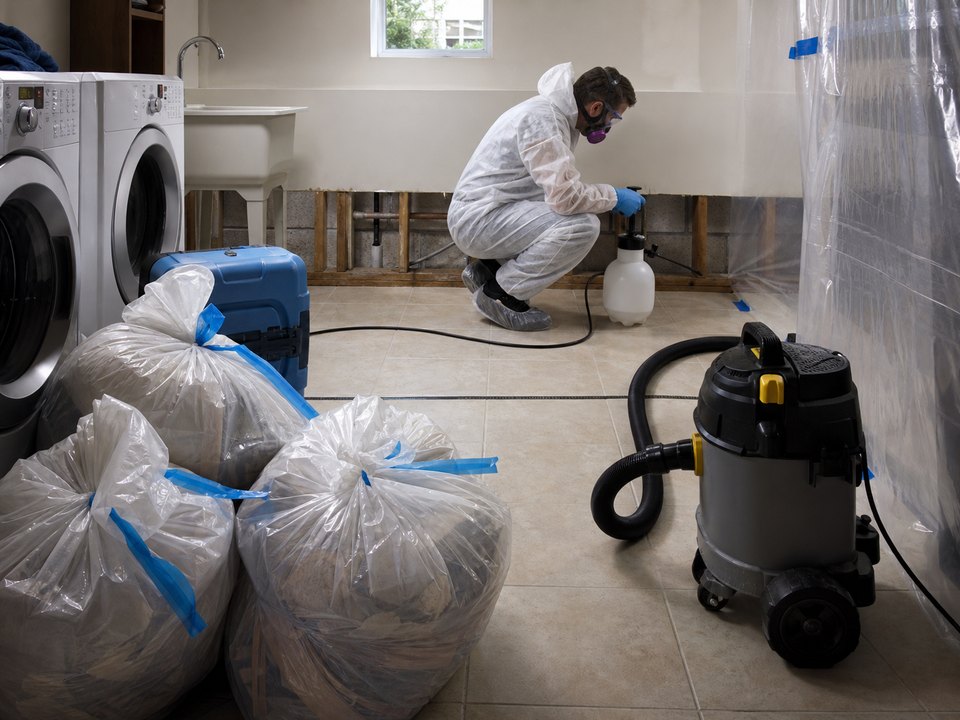
The first assessment looks at where the water traveled, what it touched, and whether porous materials can be cleaned or need removal. Contaminated water can move beneath flooring and into wall bases, so the visible edge of a puddle is not always the edge of the work. The plan may include extraction, controlled removal, cleaning, drying, and repairs after the source is corrected.
Questions to ask before work starts
Find out who is handling the plumbing cause, which rooms need to be kept out of use, and how affected belongings will be evaluated. Photos and an item list may help you discuss a claim with your insurer, but coverage depends on your policy and the cause of the backup. See sewer camera inspections when the source is unclear.
Frequently Asked Questions
Can I clean a small backup myself?
The answer depends on the source, extent, and materials involved. Avoid direct contact with sewage. CDC flood cleanup guidance explains protective precautions; ask a qualified professional when contamination has reached absorbent materials or hidden spaces.