
Persistent odor
Find what is holding the smell
Smoke odor may remain in porous contents and hidden cavities after visible soot is gone.
- Locate sourcesCheck finishes, soft goods, and affected air paths.
- Choose treatmentCleaning, removal, and odor-control methods depend on the materials involved.
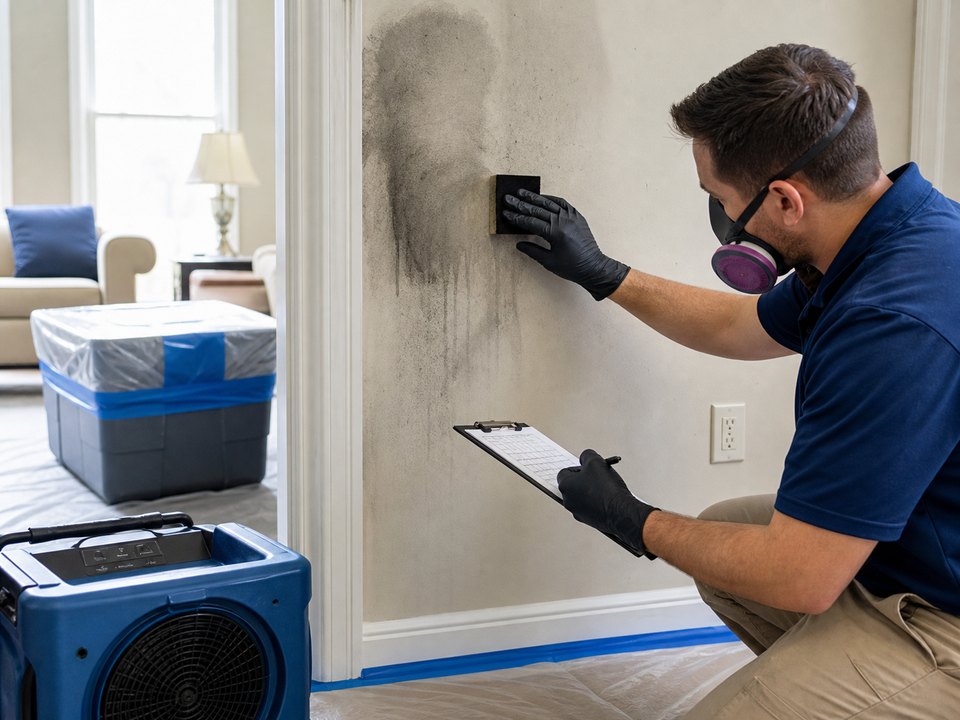
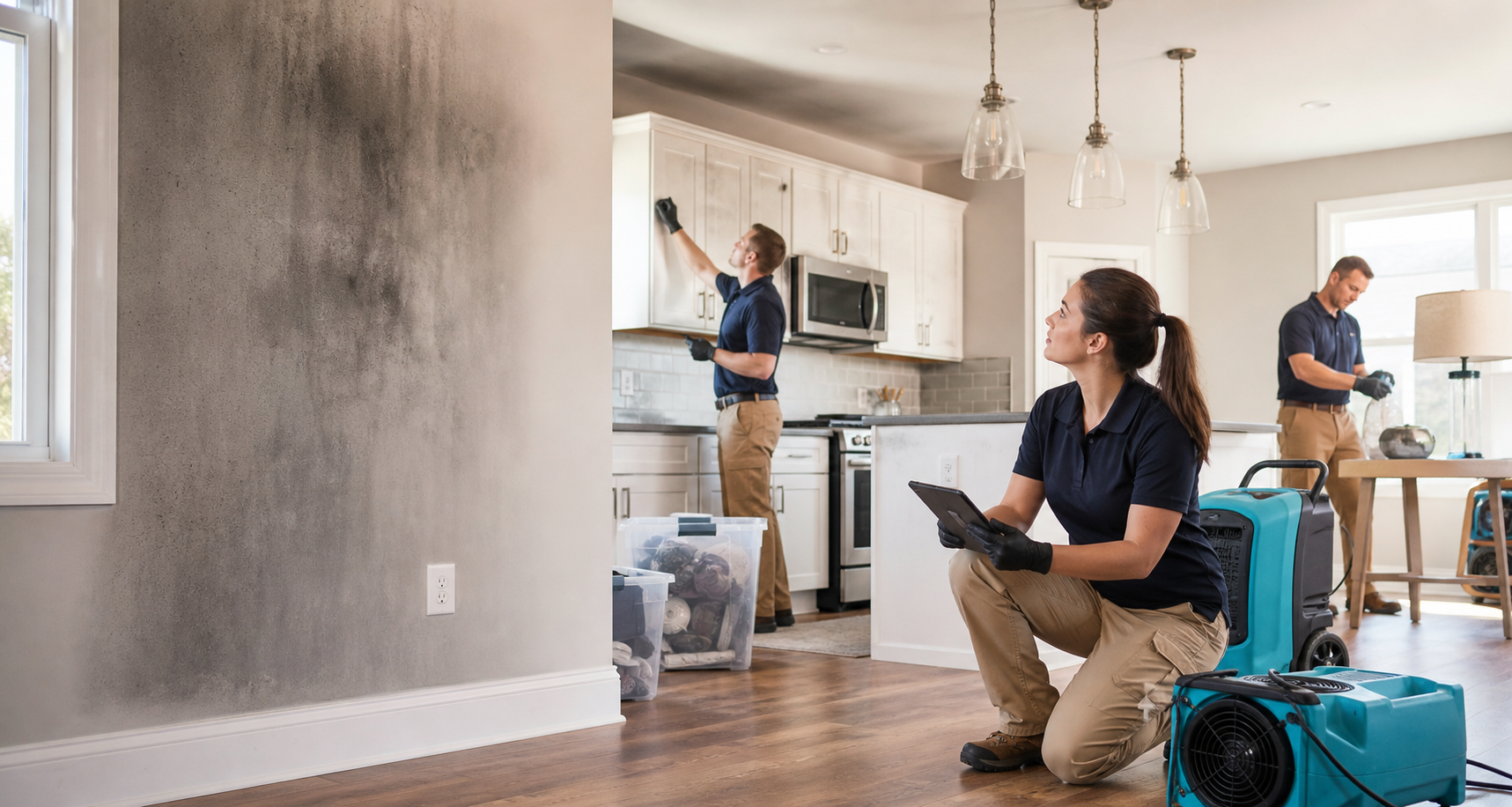
Smoke odor can remain after visible soot is cleaned because residue may have reached fabrics, unfinished wood, or hidden spaces. Masking the smell is different from finding what is producing it.
Find the source of the odor
The review should consider where smoke traveled, which contents and finishes absorbed it, and whether an air path connects affected rooms. Cleaning, removal, and treatment methods depend on the material and the source. A single treatment is not a guaranteed fix for every property.
Check the result honestly
Ask which surfaces and contents are included and how the outcome will be evaluated. Some materials may need repeated cleaning or replacement; others may be unaffected. If the odor follows a recent fire, the building must be safe to enter before any restoration work begins. Health questions belong with a health professional, not an odor-removal promise.